RENOVATIONS / THE BLACKLINE JOURNAL
A whole-house renovation with one clear point of view
When many rooms change together, the strongest starting point is a shared idea of home. Let that idea guide decisions without making every room the same.
Write the story of the finished home
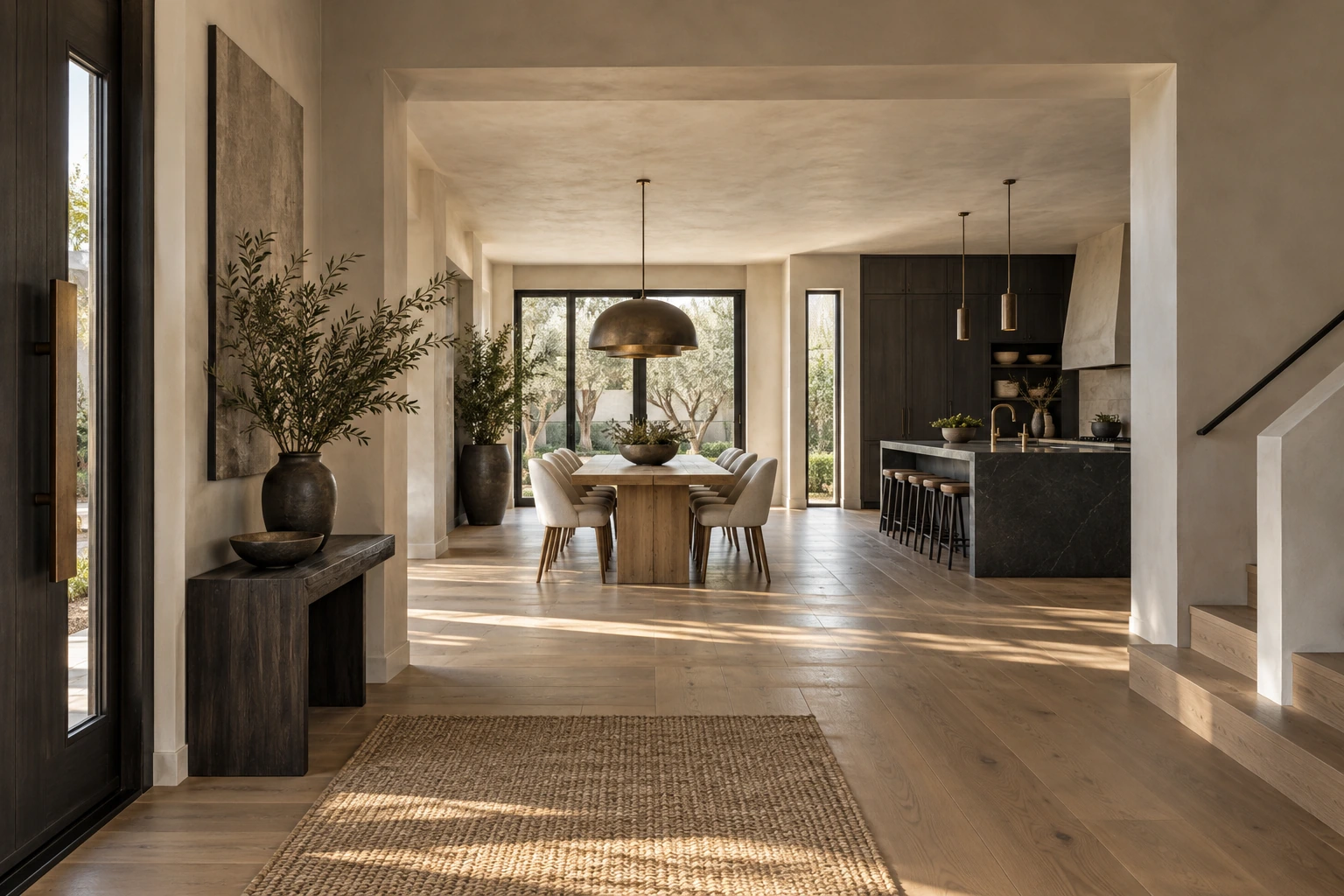
Before collecting individual selections, describe how you want the house to feel when the renovation is complete. Think about the arrival, the principal living spaces and the private rooms. A few clear sentences can become a useful reference when the number of decisions begins to grow.
Be specific about what you want to change in daily life. Perhaps the house should feel more connected, offer a calmer setting for work or make hosting more comfortable. These goals give visual preferences a purpose and help the project team understand the larger intention behind individual requests.
Find the elements that connect rooms
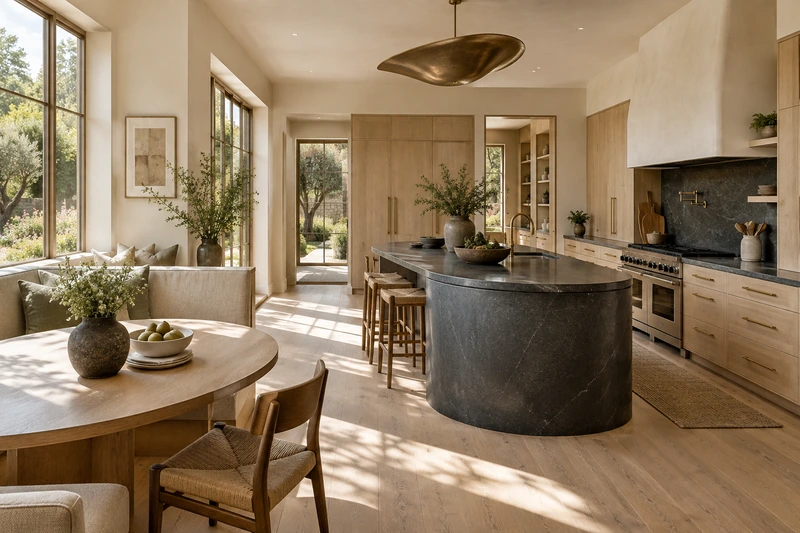
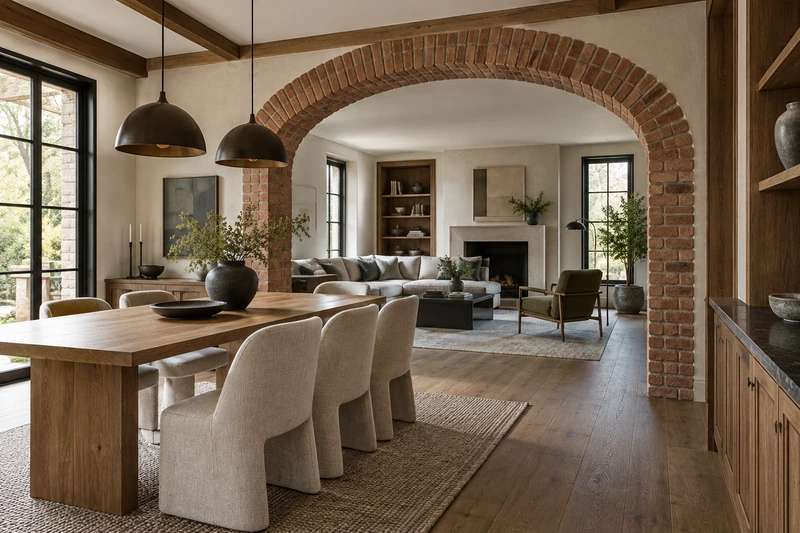
A whole-house renovation creates an opportunity to consider transitions that are easy to overlook when rooms are planned separately. Look at flooring, trim, doors, hardware and the views through openings. Decide which elements should provide continuity and where a change in character would feel natural.
A consistent point of view does not mean a single finish everywhere. A family of related materials can offer variety while keeping the house coherent. Review combinations across adjacent rooms so a beautiful selection in one space does not feel unrelated to the experience immediately beyond it.
Give each room a distinct purpose
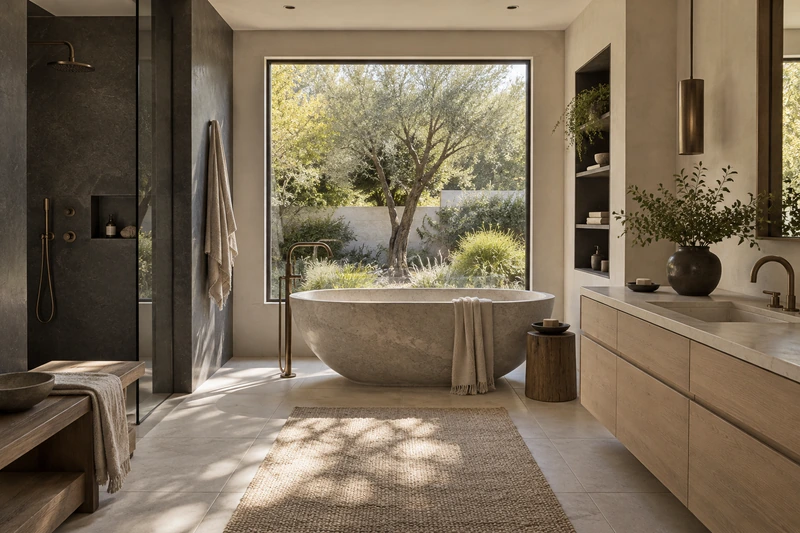
Some rooms need energy and conversation; others need quiet and a more personal atmosphere. Let the shared direction respond to those differences. A study might interpret the palette more deeply, while a gathering space could feel lighter and more open.
Create a brief for each principal room that includes its activities, furniture, storage and mood. Then compare the briefs. Repeated needs may reveal useful connections, while conflicting needs may suggest where separation matters. This makes the house easier to understand as a lived environment rather than a sequence of decorative decisions.
Keep decisions connected as the project develops
Maintain a single record of the agreed direction, selected materials and questions still to resolve. When a new idea appears, compare it with that record and ask what it contributes to the whole. A compelling individual feature should earn its place in the broader composition.
Return regularly to the original description of the finished home. It provides a way to discuss choices without relying only on taste in the moment. A clear point of view can hold many personal details together while allowing the renovation to remain responsive to the house itself.
FOR YOUR OWN PROJECT
Make the idea your own.
- Write a short description of the finished atmosphere.
- Identify the elements that should connect adjacent rooms.
- Prepare a practical brief for each principal space.
- Keep one shared record of selections and open questions.