Concrete repair and resurfacing in Northern Virginia
Concrete shows what is happening beneath it. A hairline crack, a flaking surface and a sunken panel mean different things, and each calls for a different response. Blackline Builders handles concrete repair for driveways, patios, walkways and steps across Northern Virginia, and resurfaces or replaces them when that is the sounder path.
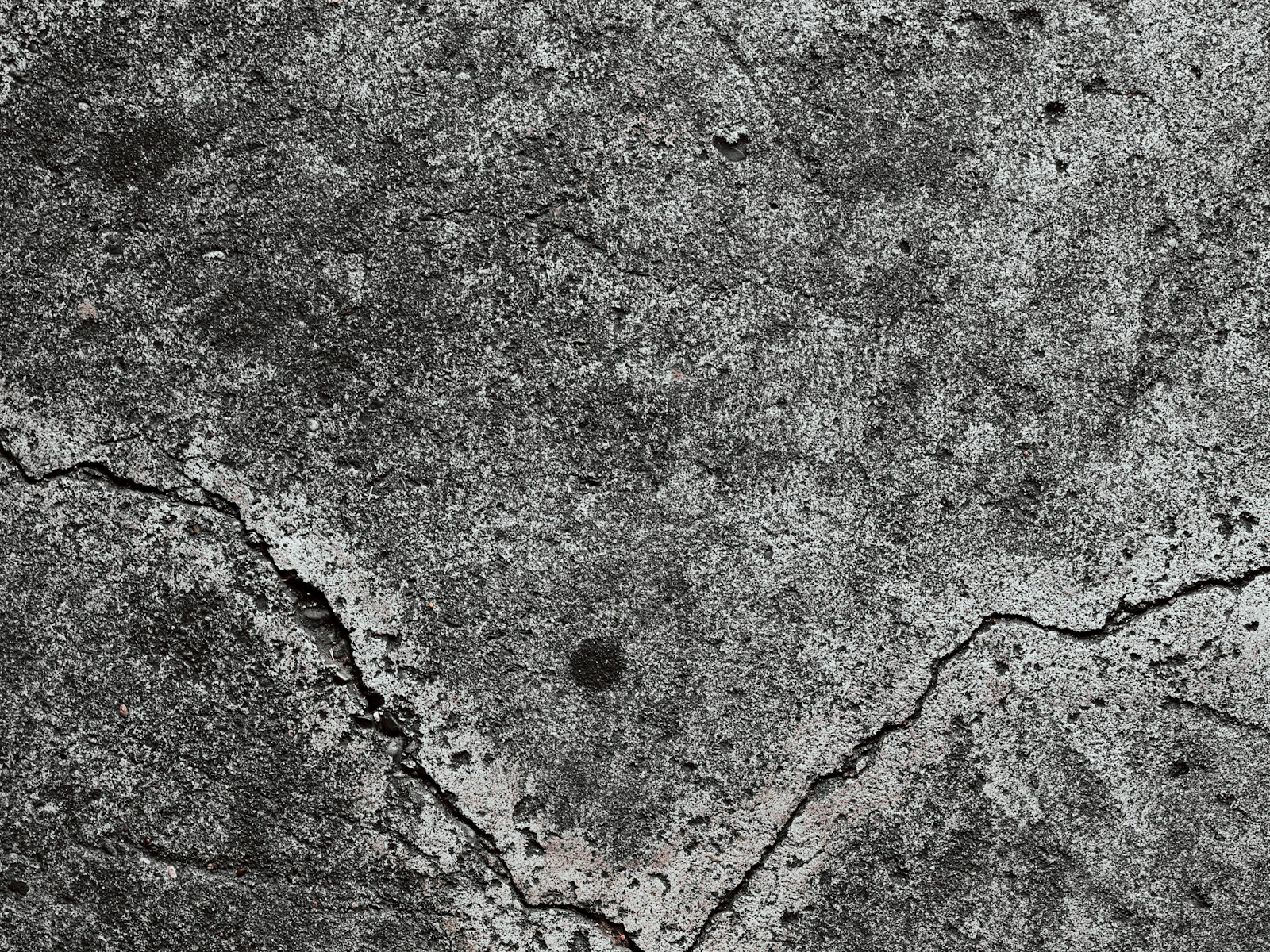
An assessment should end with a clear answer: repair what can be repaired, renew what is worn, and replace what has failed.
What concrete repair can include
- An on-site assessment of cracks, surface wear, settlement and drainage
- Cleaning and sealing cracks in slabs that are otherwise sound
- Patching spalled or chipped areas and broken step edges
- Resurfacing overlays that renew a worn but stable surface
- Cleaning out and resealing joints
- Removing failed sections and replacing them on a rebuilt, compacted base
- Rebuilding steps and landings that have cracked, settled or pulled away from the house
- Care notes on sealing and winter de-icing
This service covers the flat concrete around a house. Cracks in a home's foundation walls are a different matter and begin with an engineer's assessment.
How a repair is planned and carried out
- Assessment. We look at the concrete, the ground around it, how water moves across it and where it meets the house.
- Cause first. A repair that ignores the cause tends to fail the same way, so we identify what is driving the damage: surface wear, freeze and thaw, water, or ground that has moved.
- Options. We explain what repair, resurfacing and replacement can and cannot do for your slab.
- Approvals. We check for work in the public right-of-way, historic district review or community association rules.
- Utilities. Replacement that needs excavation starts with a Virginia 811 locate request.
- The work. Repair, resurfacing or replacement is carried out and cured.
- Walkthrough. You see the finished repair with us, and we explain how to look after it.
For how our work is organized from first call to walkthrough, see our process.
Repair planning in Northern Virginia
Freezing, thawing and salt. Arlington County's design criteria class weathering as severe. Water that soaks into concrete expands as it freezes, and de-icing salt adds to the stress, which is why flaking surfaces are a familiar sight on older walks and steps. Air-entrained concrete, which Prince William County's typical specifications require for exposed exterior concrete, is a detail worth confirming for any replacement section.
Ground that moves. Fairfax County's marine clay guide describes the damage clays do to slabs and road surfaces as they shrink and swell, and fill that was never properly compacted can crack slabs too. Compressible soils and undocumented fill are both on Prince William County's list of problem soils. When a slab has sunk, the fix begins with the ground beneath it.
The public edge. Replacing a driveway apron on a public street usually means working in the right-of-way. On a VDOT-maintained road that takes a VDOT land use permit first. In larger towns such as Herndon, and in the City of Manassas, the locality maintains its own streets.
Historic districts. In Herndon, exterior alterations inside the town's historic district come under its Historic District Review Board, and the City of Manassas Architectural Review Board reviews construction and substantial exterior alterations in the city's historic overlay districts. If a repair will change the material or form of a front walk or steps there, ask before work starts.
Utilities. Replacement involves digging. Virginia law requires a locate request before excavation, and private lines, like a feed to a detached garage, are not marked by 811 members.
Questions about concrete repair and resurfacing
Resurfacing suits concrete that is structurally sound: level, well supported and free of cracks that keep moving, but worn, flaking or stained on top. Replacement is usually the better choice when sections have sunk, heaved or broken through, or when water is getting under the slab. An overlay on moving concrete tends to crack along the same lines.
Some cracking is normal: concrete shrinks as it dries, and control joints give those cracks a tidy place to form. Flaking usually starts at the surface, from freeze and thaw cycles, de-icing salt, or finishing and curing problems. Sinking points to the ground: soil that was never well compacted, soil washed out by water, or clay that shrinks and swells.
Yes, though the approach depends on why it sank. Where the base has washed out or the soil beneath is soft, removing the section and replacing it on a rebuilt, compacted base addresses the cause, and dealing with the water that washed it out matters as much as the new concrete. We explain the options after seeing the slab and its surroundings.
No repair is invisible. Sealed cracks and patches stay visible, and new concrete rarely matches weathered concrete exactly. Where appearance matters most, such as a front walk, resurfacing or replacing a whole section usually gives a more even result.
Cracked, flaking or settled concrete at your home? Book a free on-site estimate or call 571-200-3100.
Start a project
Bring us the lot—or the home you want to transform.
We'll meet you on site, walk the property with you and talk through what the work will take.