
Tear-down and rebuild in Northern Virginia
Some owners would not trade their street for any other, yet the house on it no longer fits. The trees and the neighbors are right; the rooms, ceilings and systems are not. A tear-down and rebuild in Northern Virginia replaces the existing house with a new custom home on the same lot. Some call it a knock down and rebuild. In close-in places such as Arlington, McLean, Vienna, Fairfax and Alexandria, it lets you rebuild on an existing lot instead of leaving the neighborhood.
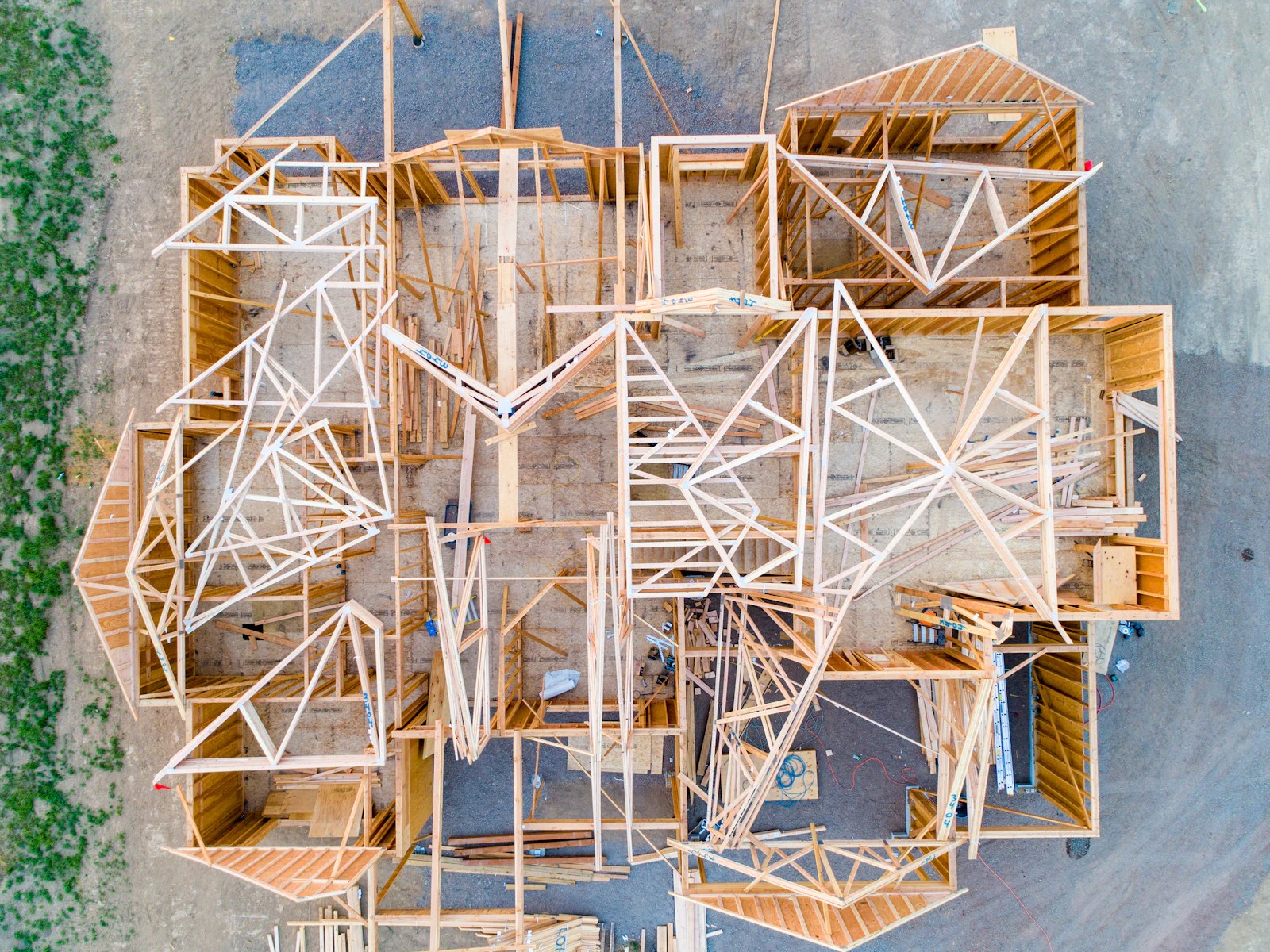
What a tear-down and rebuild involves
A rebuild is a custom home with extra steps at the start:
- Feasibility. What the lot allows for a new house: setbacks, height and lot coverage, easements, stream buffers and any historic designation.
- Design and selections. A new house drawn for the lot and the rules that apply to it.
- Plans and permits. A demolition permit, a building permit and, depending on the land disturbed, a grading, stormwater or land disturbance plan.
- Disconnection and demolition. Utilities disconnected, any required hazardous material checks, then removal of the old house and its foundation.
- Site work. Erosion and sediment controls, excavation, drainage and new utility connections.
- The new home. Foundation, framing, envelope, systems and finishes, then the driveway and walks.
How we approach a rebuild
The first question is whether to rebuild at all. We walk the property with you and look at the existing house as closely as the lot. Its foundation, structure, layout and systems show how much of what you want could be reached by renovating instead.
If a rebuild makes sense, the new house is designed, its selections are made and it is priced, all while the old one still stands. After a written proposal, the demolition and building permits move forward together with any grading or stormwater plans. Construction then runs from demolition and site work through foundation, framing and finishes, and ends with a walkthrough. The project sequence shows each stage in order.
The new foundation and footings are designed with the new house, before demolition, and the soil they bear on is confirmed once excavation opens the ground where the old house stood.
Planning a rebuild in Northern Virginia
Close-in lots tend to carry more rules, and each jurisdiction words them differently.
- Fairfax County. A residential demolition permit calls for utility disconnect letters, confirmation of asbestos inspection or removal, and a grading plan or house location plat, depending on the land disturbed. The new house then needs an infill lot grading plan if its disturbance tops 2,500 square feet and stormwater improvements are part of it.
- Stream buffers. Fairfax County's Resource Protection Areas extend 100 feet from perennial streams and the wetlands connected to them. Redevelopment inside one may be allowed, with a water quality impact assessment, when it adds no impervious cover and does not encroach further into the buffer.
- Arlington County. Work that disturbs 2,500 square feet of land or more needs a land disturbing activity and stormwater permit, and the county has added stormwater detention requirements for single-family home projects. Demolition is a separate process from the building permit.
- Towns and independent cities. Inside the Town of Vienna, a new house disturbing more than 2,500 square feet of land goes through the town's large-scale residential permit as well as Fairfax County. The City of Fairfax issues its own residential permits for demolition and new construction.
- Where the driveway meets the street. Arlington County and the independent cities maintain their own streets. In Fairfax County and the other counties, most roads are state-maintained, and building a private entrance onto a VDOT road requires a VDOT land use permit.
Questions about tearing down and rebuilding
It depends on what you would keep. If the foundation, structure and layout can support the house you want, a whole-house renovation may make sense. If the plan calls for new ceiling heights, a different footprint or replacing most systems anyway, a rebuild is worth pricing alongside it. Zoning and site rules can treat the two paths differently, so check both for your lot before deciding.
Expect a demolition permit and a building permit at a minimum. Depending on the land disturbed, you may also need a grading or stormwater approval, such as an infill lot grading plan in Fairfax County or a land disturbing activity permit in Arlington. Towns and independent cities such as Vienna and the City of Fairfax add their own reviews or issue permits themselves, and historic districts and community associations have separate approvals.
They can. In Alexandria's Old and Historic Alexandria and Parker-Gray districts, and for buildings the city has designated as One Hundred Year Old Buildings, demolition needs a Permit to Demolish approved by the Board of Architectural Review. Arlington's local historic districts require a certificate of appropriateness for demolition. In Haymarket, which placed the whole town under historic district zoning, demolition also goes before the Architectural Review Board. Check the property's designation before planning a rebuild.
To find out whether your lot suits a rebuild, book a free on-site estimate or call 571-200-3100.
Start a project
Bring us the lot—or the home you want to transform.
We'll meet you on site, walk the property with you and talk through what the work will take.