
Custom homes and estate renovations in Great Falls, Virginia
Great Falls is an unincorporated community in Fairfax County, set in the Piedmont upland along the Potomac and served by Georgetown Pike and Leesburg Pike. Three questions about the land come first for any custom home builder in Great Falls, before a house or wing is placed: how it gets its water, where its wastewater goes, and where its streams run.
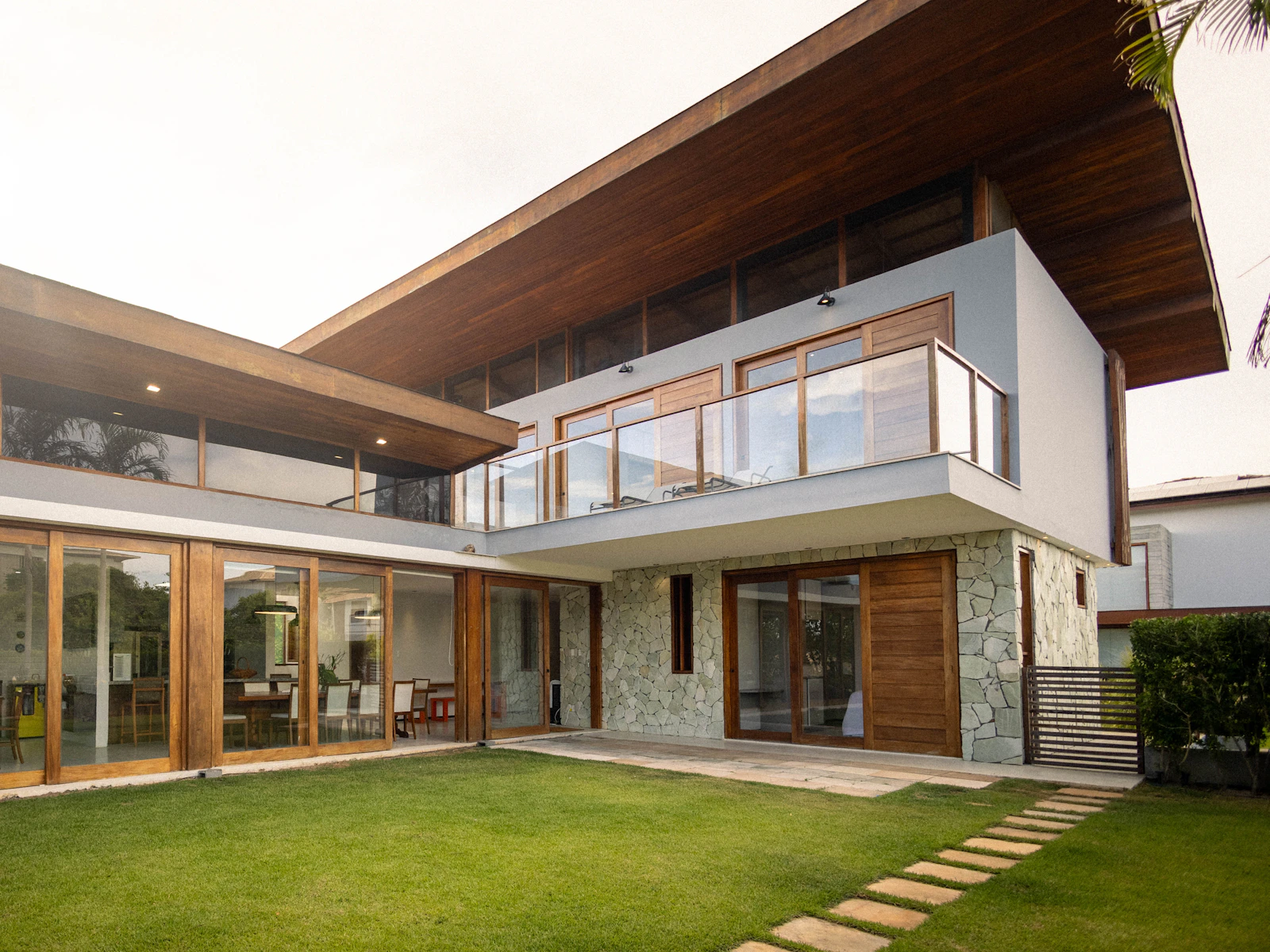
Blackline Builders is based in Manassas. On Great Falls land, custom homes and estate renovations head the list, then additions, outdoor living, retaining walls and garages.
Building in Great Falls
Wells and septic have their own reviewer. Where a property relies on a private well or a septic system, the Fairfax County Health Department reviews installation drawings and issues construction permits for those systems. For a new house on well or septic, the Health Department also reviews the county building permit. County code requires a septic tank to be pumped at least once every five years, and alternative onsite systems are inspected every year.
The drainfield counts. A septic drainfield built as part of a new house belongs to that project's land disturbance. Once the total reaches 2,500 square feet, an approved site-related plan is required before work starts. A house, its driveway and its drainfield are therefore sited together, not one after another.
Stream buffers. Resource Protection Areas take in the land within 100 feet of perennial streams and their connected wetlands, plus major floodplain, and clearing or building inside one generally needs county approval. A new deck on a house built before the buffer was mapped is commonly handled by administrative waiver. A pool, patio, retaining wall or detached garage in the buffer needs an exception decided after a public hearing.
Colvin Run Mill. The brick mill on Colvin Run Road was built in the early nineteenth century and reached by the old Alexandria-Leesburg Turnpike. In 1941 the turnpike was realigned to create Route 7, and the bend it bypassed became Colvin Run Road. The Park Authority bought the mill in 1965, and it anchors a county historic overlay district. Work there that needs a building permit goes to the county Architectural Review Board for approval first.
Entrances meet state roads. Building or replacing a driveway entrance, like any other work in the state right-of-way, takes a VDOT permit.
What we build in Great Falls
- Custom home building with the house, any well or drainfield, and the stream buffers placed on one plan.
- High-end home remodels that renew an established house while working with the systems it already relies on.
- Home additions, checked early for Health Department questions where a new bedroom joins a septic system.
- Outdoor living spaces where the choice between a deck and a patio can depend on the stream buffer.
- Retaining walls that level a terrace or a drive, sized to the county's residential or commercial permit band.
- Garage builds and additions, with a detached garage set clear of buffers where the lot allows.
Colvin Run and the district map
Fairfax County notes that its historic overlay districts usually include more than the historic core, which is why the review board looks at new development as well as changes to existing properties. A subdivision with its own design committee still needs county approval for exterior work that requires a building permit. We check the district map at the first site visit.
How a Great Falls project comes together
On a Great Falls lot, we walk the land before the house: any well or septic area, the streams and the grades. We confirm which approvals the plan triggers, from Health Department review to a grading plan or historic review. Only with the land understood do design, selections and a price follow.
Nearby areas
For the approval layers across the county, read the Fairfax County overview. Downriver, the questions turn to grading plans and rebuilds in McLean.
Common questions about Great Falls projects
The Health Department joins the review. It permits the well and the septic system, reviews new-house permits on those systems, and must approve an accessory living unit before the county issues its permit. Septic tanks must also be pumped at least every five years. Siting an addition or pool starts with knowing exactly where the well and the septic system lie.
Only lots inside the district boundary. Within it, the county Architectural Review Board reviews new development and exterior changes, even on newer houses, before building permits are issued. The county's aerial map of the district shows whether a parcel is included.
Under Fairfax County's current standards, an accessory living unit in a freestanding structure needs a special permit from the Board of Zoning Appeals and a lot of at least two acres, with Health Department approval first on well or septic. The county is considering changes to these standards, so we confirm the rules in force before design.
Inside a Resource Protection Area, a pool or patio is treated as an accessory structure and needs an exception decided after a public hearing. A low-level pervious deck, which lets water pass through, can be installed without a public hearing. Outside the buffer, standard zoning and permits apply.
To plan a custom home, estate renovation or addition in Great Falls, book a free on-site estimate or call 571-200-3100.
Start a project
Bring us the lot—or the home you want to transform.
We'll meet you on site, walk the property with you and talk through what the work will take.