
Custom homes, renovations and additions in rural Fauquier County
Fauquier County is rural by design, and a custom home here starts with the land. Since 1967, county planning has aimed to steer most growth into a small set of service districts and protect the farmland and open country around them. The towns of Warrenton, Remington and The Plains plan land use inside their own limits.
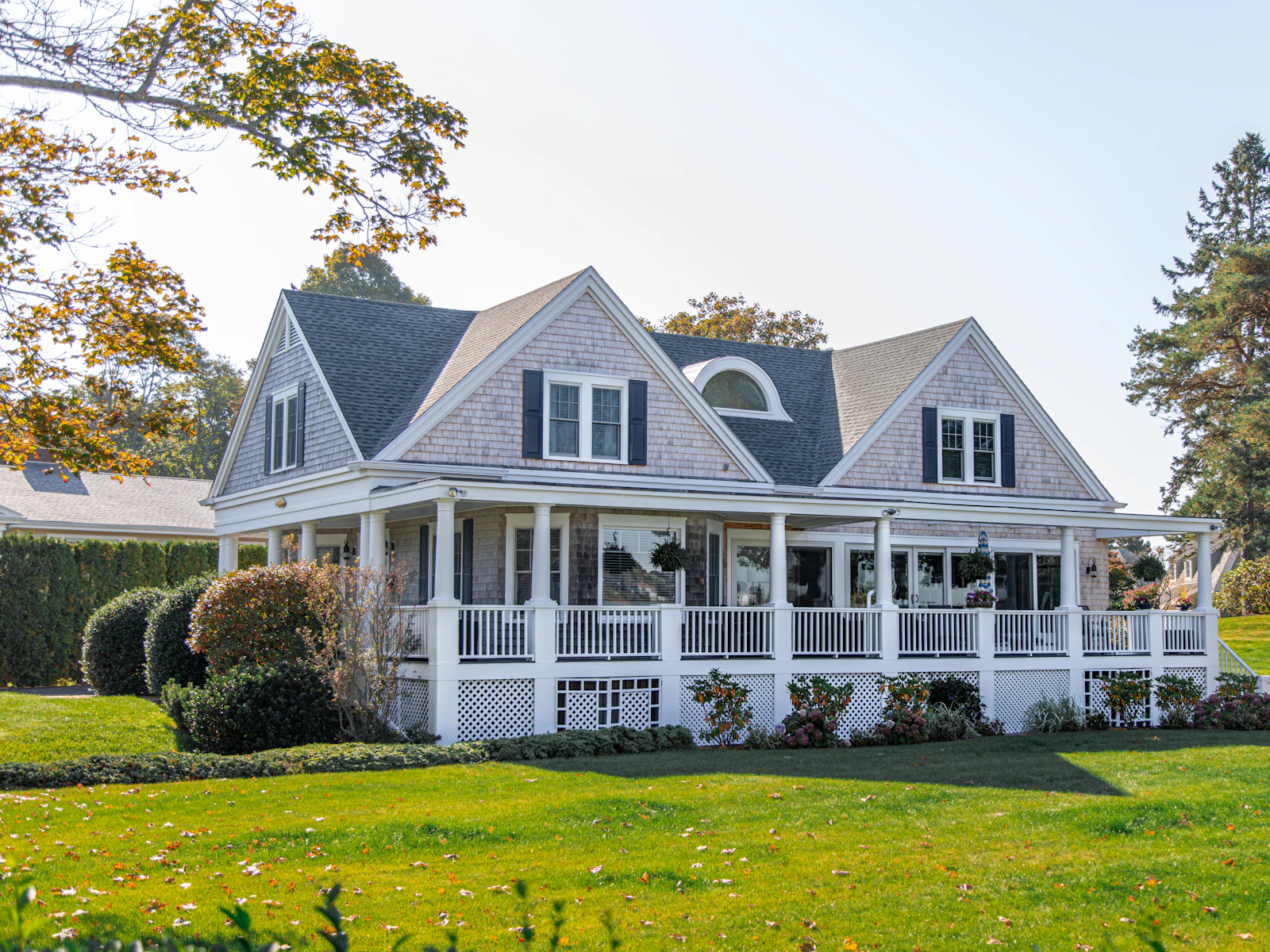
Blackline Builders is a custom home builder based in Manassas, working across the county on new homes, renovations, additions, garages and concrete. Each plan is shaped by what the ground allows: the well, the septic field, the soils and the approach from the road.
How approvals work in Fauquier County
The county's Department of Community Development takes building and zoning applications on one combined form. A building permit covers new houses, additions, renovations, outbuildings and some accessory structures, retaining walls among them. Most work also needs a zoning permit, including some interior renovations, and significant construction may also need a land disturbing permit.
Other approvals travel with the application:
- Well and septic. A new house needs approved Health Department construction permits for the well and septic system, or an approval letter from the utility where the lot is on public water and sewer.
- The entrance. The county's new-house checklist includes VDOT approval, or a VDOT permit, to build the driveway entrance.
- Floodplain. Inside the mapped 100-year floodplain, even grading or a driveway needs county approval. No house, garage or shed may be built there, and a house must stand at least 25 feet back from its edge.
- Conservation easements. Where land lies under a county conservation easement, the application needs the county attorney's compliance form.
- Marshall. In the Marshall Historic District, new buildings, additions visible from the street or public open space, and visible exterior changes to contributing buildings may need a certificate of appropriateness.
- Warrenton. Inside the town, building permits, zoning and historic review are the town's.
Land, soils and easements
The county crosses three geologic provinces: the Blue Ridge, the Culpeper basin and the northern Piedmont, and its soils vary with them. Soil maps rate shrink-swell potential, and a rating of moderate or higher must be addressed in the building plans; the county's checklists for a new house and for an addition both include a shrink-swell soils form. Shallow bedrock can make a basement hard to dig. A high water table can make excavation difficult and crawl spaces wet. Both can narrow septic options.
Many landowners have placed their land under conservation easements. Holders include the Virginia Outdoors Foundation, the Department of Historic Resources and the county's purchase of development rights program. Terms are written property by property, and Virginia Outdoors Foundation easements are held in perpetuity, so the recorded deed belongs in the design brief from the first sketch.
The Chesapeake Bay Preservation Act names neighboring Prince William County as a Tidewater locality but not Fauquier, so the Act does not require Resource Protection Area buffers here. Near a stream, the mapped floodplain and any hydric soils are the first things to check.
Warrenton
The county seat has its own building department, a local historic district and a review board for exterior change in Old Town, with county neighborhoods around it. Read about custom homes and renovations in Warrenton.
What we build in Fauquier County
- Custom homes on acreage, placed with the well, septic field and approach in mind, on foundations designed for what the soil map shows.
- Modern farmhouse homes, a form at ease in open, rolling country.
- Room and second-story additions, checked against the Health Department septic permit when bedrooms are added on a private system.
- Garage builds and additions, attached or detached, sited clear of the mapped floodplain.
- Concrete driveways, with the entrance approval planned early.
- Estate and historic home renovations, including houses in the Marshall Historic District, where visible exterior changes to a contributing building may need a certificate of appropriateness first.
Questions about building in Fauquier County
For a house on a private well and septic system, the addition permit application needs Health Department paperwork: the system's construction permit showing how many bedrooms it allows, or a Health Department form confirming the system is safe, adequate and proper. On public water and sewer, new bathrooms need the utility provider's approval.
It can. Each easement is written for its property, so the limits vary, and most are permanent, including those held by the Virginia Outdoors Foundation. A historic preservation easement held by the Department of Historic Resources generally requires the holder's permission before a historic building's exterior is changed. On land under a county easement, the permit application also needs the county attorney's compliance form. Read the recorded easement and talk with the holder before design begins.
It flags shrink-swell clay, shallow bedrock, a seasonal high water table and hydric soils that can signal wetlands. Together they bear on where a house can sit, how its foundation is designed and which septic options the lot allows.
To plan a project anywhere in Fauquier County, book a free on-site estimate or call 571-200-3100.
Start a project
Bring us the lot—or the home you want to transform.
We'll meet you on site, walk the property with you and talk through what the work will take.