Estate and historic home renovations in Northern Virginia
Estate and older homes ask for a different kind of renovation. Historic home renovation in Northern Virginia means adapting a house built for another era to the way people live now, with new kitchens, baths, systems and sometimes an addition, while keeping the proportions, materials and details that give it character.
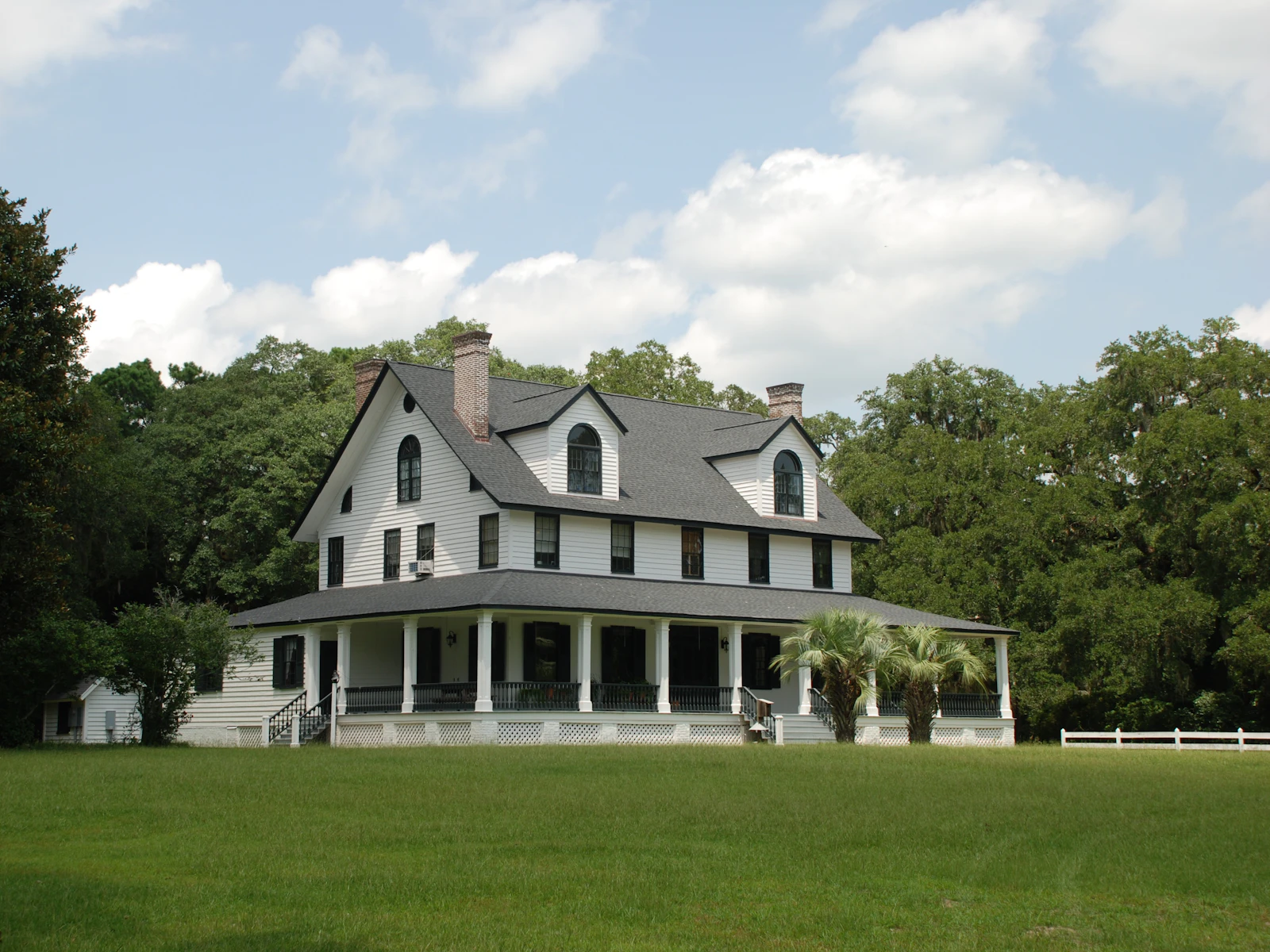
Several towns and cities in the region have local historic districts, among them Old and Historic Alexandria, Leesburg's Old and Historic District, Middleburg, Warrenton and Haymarket. Inside those boundaries, most exterior work needs approval before it begins. Outside them, estate properties and older houses are planned with the same attention to what is original.
What an estate or historic renovation can include
- Kitchens and bathrooms rebuilt within the existing structure.
- Electrical, plumbing, heating and cooling replaced and routed to disturb as little original fabric as practical.
- Windows, doors, trim, siding and roofing repaired or replaced, matched to the original where review requires it.
- Porches, entries and exterior details restored or rebuilt.
- Structural repairs to framing and floors.
- Additions designed to sit comfortably beside the original house.
- Interior changes that respect principal rooms, stairs and original finishes.
- Garages, outbuildings and site work on larger estate properties.
How we approach an older house
We start by understanding the house. At the on-site visit we look at how it was built, what has changed over the years and which features appear to be original. We also check the parcel's status: whether it sits in a local historic district, a county historic overlay or a community with its own review.
Design follows the house's lead. Where a review board is involved, the design is developed with its guidelines in hand, and the approval step is built into the plan before construction starts. Selections favor materials suited to the age and style of the house.
Older houses reveal their history as they are opened. What turns up is recorded and shared with you, and the way forward is agreed before that part of the work goes on. You can read about our process.
Historic review across Northern Virginia
Leesburg. Inside the Old and Historic District, a certificate of appropriateness is required for any exterior alteration, in-kind replacement of materials included. Most exterior alterations in the Gateway and H-2 Corridor districts need one too. Preservation staff can approve certain minor alterations. Other applications go to the Board of Architectural Review, which sees everything from small garages to residential additions.
Middleburg. Exterior changes visible from a public street need a certificate of appropriateness from the Historic District Review Committee. Additions, replacement roofing or siding, window and door changes and new paint colors are all covered, each weighed against the town's design guidelines. Routine maintenance and exact in-kind repair fall outside that review.
Warrenton. Projects in the historic district apply for a certificate of appropriateness, reviewed by town staff or the Architectural Review Board depending on scope.
Haymarket. The town council placed the whole town under a historic district zoning ordinance in 1994. Within the historic overlay district, rehabilitation, additions, new construction and demolition are reviewed by the Architectural Review Board before a certificate of appropriateness is granted.
Alexandria. In Old and Historic Alexandria and Parker-Gray, the Board of Architectural Review approves new construction and exterior alterations visible from a public way. Outside those districts, buildings that City Council has designated as one hundred years old come under the same board.
Counties, Herndon and the City of Fairfax. Fairfax County's Architectural Review Board reviews work in historic overlay districts such as Langley Fork, Colvin Run Mill and Centreville. Loudoun County's Historic District Review Committee covers districts including Aldie and Waterford. Arlington's Historical Affairs and Landmark Review Board issues certificates of appropriateness in its local historic districts. The Town of Herndon and the City of Fairfax each run their own review for their historic districts.
Questions about historic home renovations
It is the approval a local review board, or its staff, grants before exterior work begins on a property in a local historic district. Depending on the place, it can cover additions, new construction, demolition, roofing, siding, windows, doors and paint colors. The board weighs the application against its adopted guidelines, so the drawings and material choices need to address those guidelines directly.
Additions are a regular subject of review. Leesburg, Middleburg, Herndon and Haymarket all include additions in the work their boards consider. Approval is not automatic. Each board's guidelines explain what it looks for in scale, placement and materials, and the application should answer them clearly.
Not by itself. Under federal law, listing a privately owned property in the National Register places no restrictions on what the owner does with it, unless the project involves federal funding, licensing or permitting. Local historic district ordinances are separate, and they are what require a certificate of appropriateness. Check the local zoning map as well as the registers.
Virginia offers a state historic rehabilitation tax credit, administered by the Department of Historic Resources, that is available for owner-occupied homes as well as income-producing buildings. The house must qualify as a certified historic structure, and the work must meet the Secretary of the Interior's Standards for Rehabilitation. The department notes that qualifying is much harder when the Part 1 and Part 2 applications are not submitted before work begins. A tax advisor can tell you whether the credit fits your situation.
Book a free on-site estimate or call 571-200-3100 to talk about your house.
Start a project
Bring us the lot—or the home you want to transform.
We'll meet you on site, walk the property with you and talk through what the work will take.