CUSTOM HOMES / THE BLACKLINE JOURNAL
The everyday rooms that give quiet luxury its meaning
The most rewarding details are often the ones you use without thinking. Consider comfort, order and proportion in the rooms that carry daily life.
Look beyond the rooms guests see
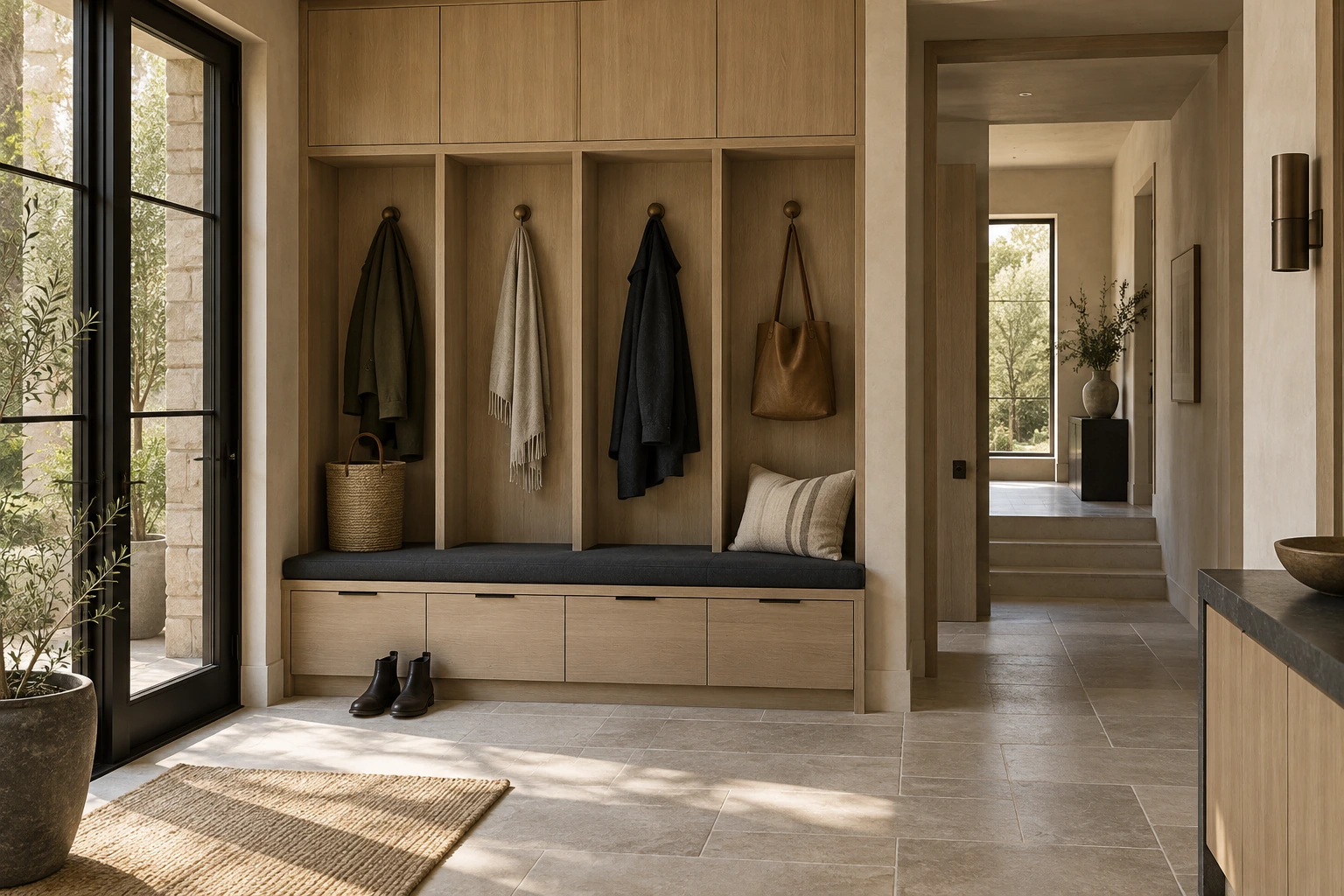
An entrance, laundry room or dressing area can shape your experience of home as much as a formal living room. These spaces receive constant use, yet they are sometimes treated as the places left over after larger decisions have been made. Bring them into the conversation early.
Describe what happens in each space and what currently feels awkward. A room does not need a dramatic finish to feel considered. A clear place for belongings, an intuitive arrangement and enough room for the activity can create a quiet sense of ease.
Give order a natural place
Storage is more useful when it responds to the objects and habits it serves. Think about the items that need to stay close, the things you prefer to keep out of view and the possessions you enjoy seeing. These are different needs, and they need not share one solution.
Walk through an ordinary day and notice where objects accumulate. The aim is not to design away every sign of life. It is to give familiar belongings a place that makes sense, so the room remains welcoming even while it is being used.
Pay attention to touch and proportion
The details encountered at close range deserve careful selection. A handle, a ledge, a cabinet edge or the material beneath a hand can make a room feel personal in a way that a distant visual gesture cannot. Discuss how the surfaces will be used as well as how they look.
Proportion also shapes the atmosphere. Consider how furniture, cabinetry and open space relate to one another. A quieter room can feel generous when its elements sit comfortably together, even without a large number of decorative features or an expansive footprint.
Leave room to settle in
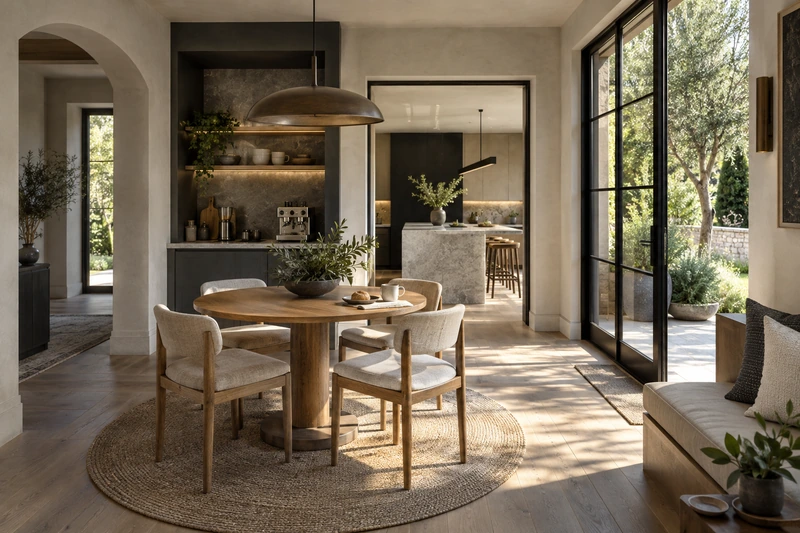
A composed home should still feel easy to inhabit. Think about where you set a cup, put down a book, fold a blanket or sit while someone else gets ready. These small moments help reveal whether the room supports the life it is meant to hold.
Choose a few details to carry through the house, then allow individual rooms to respond to their purpose. Quiet luxury becomes meaningful when the home feels consistent, comfortable and personal on an ordinary weekday, long after the initial impression has become part of everyday life.
FOR YOUR OWN PROJECT
Make the idea your own.
- Include utility spaces in the first design conversation.
- List the belongings that tend to gather without a home.
- Review the finishes you will touch most often.
- Picture each room in use rather than perfectly arranged.