PLANNING / THE BLACKLINE JOURNAL
Planning a home for the way you live through every season
A useful project brief looks beyond a single beautiful day. It considers the routines, gatherings and small adjustments that shape the whole year.
Describe a year in the home
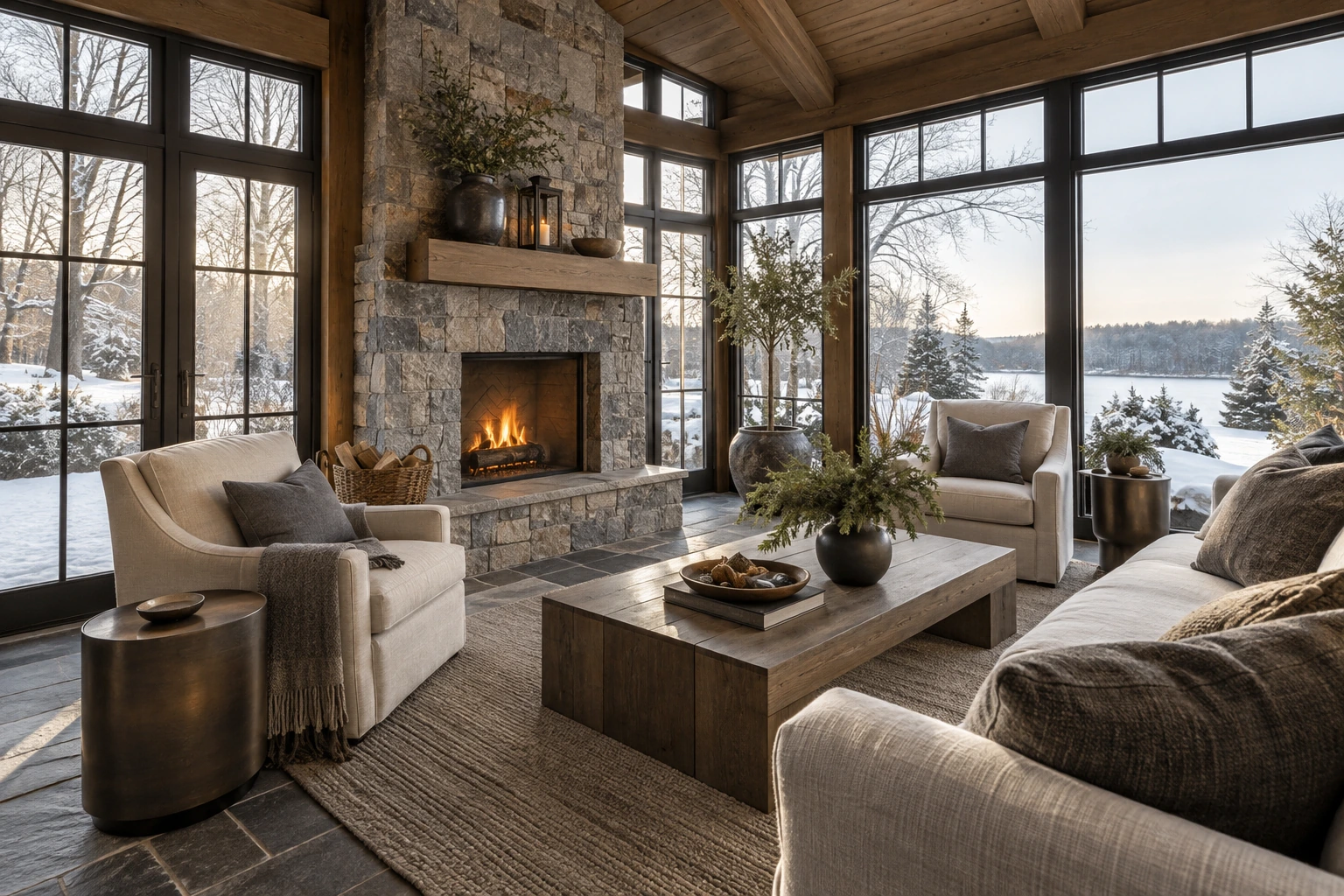
The way you use a house changes across the year. You may spend long evenings outside in one season and gather more closely indoors in another. Write down those patterns before concentrating on individual rooms, especially if the project began with a frustration that appears only occasionally.
Think about family visits, celebrations, work habits and the belongings that come out for different activities. These observations can reveal connections between spaces that are easy to miss in a room-by-room wish list. A useful brief reflects the range of your life rather than one ideal moment photographed in perfect conditions.
Notice what changes in the view
A room’s outlook can feel quite different as the garden changes. The view that seems sheltered at one time of year may appear more open at another. Collect photographs from the same window or outdoor seat across different moments if you already have them.
Discuss which views you value and where privacy matters to you. Include the rooms you use in the early morning and evening, as well as those that attract attention during a daytime visit. These personal observations give the design team a richer understanding of how you experience the property throughout the year.
Let storage follow real routines
Seasonal belongings can quietly shape the way a home functions. Outdoor cushions, serving pieces, sports equipment and holiday decorations all need somewhere to go between uses. List what moves in and out of daily life, and note where you currently keep it.
The aim is not to create a storage solution for every object before planning begins. It is to make the recurring patterns visible. Discuss the items that are awkward to retrieve or tend to overflow into living spaces, so storage can be considered alongside the activities and rooms it is meant to support.
Choose flexible spaces with a clear main purpose
A room can welcome different uses over the year without becoming undefined. A dining space might host larger gatherings occasionally while serving smaller meals every day. A garden room might provide a quieter indoor retreat when you are spending less time outside.
Describe the primary use first, then the secondary moments you hope to accommodate. This keeps the design from becoming a collection of compromises for rare occasions. The strongest brief explains what matters regularly, what happens sometimes and where you are comfortable making a small adjustment when the household’s rhythm changes.
FOR YOUR OWN PROJECT
Make the idea your own.
- Describe everyday life across the whole year.
- Gather views from different seasons when available.
- List belongings that move in and out of use.
- Separate primary room uses from occasional ones.