PLANNING / THE BLACKLINE JOURNAL
Keeping material selections clear, connected and personal
Beautiful choices feel stronger when they belong to the same story. A simple record can help you see the relationships before details compete.
Start with the choices that set the mood
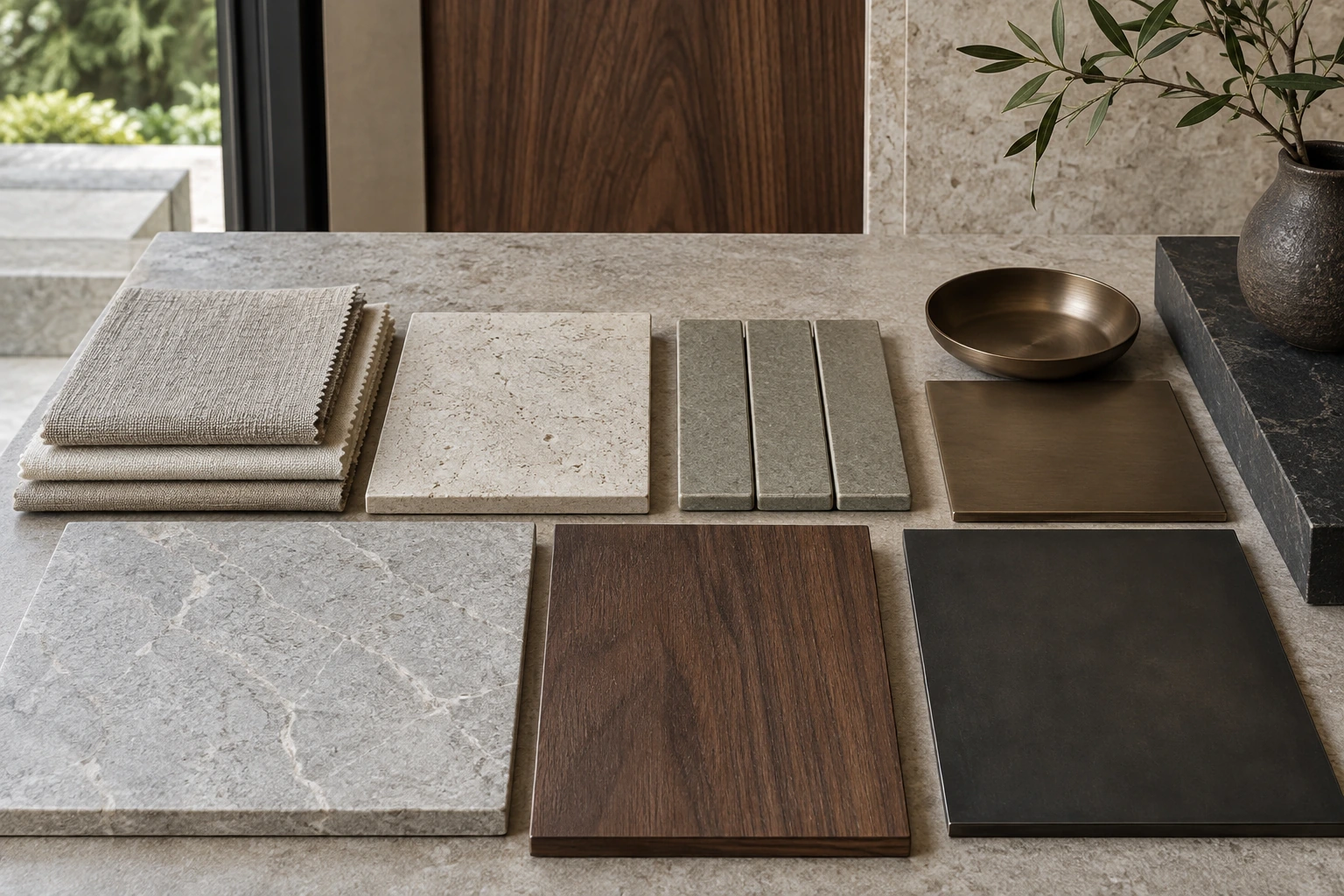
Some selections influence the atmosphere of several rooms, while others play a smaller supporting role. Identify the materials and colors that feel central to your vision, such as a wood tone, a main flooring idea or the character of the kitchen cabinetry.
These early references do not need to settle every detail. Their purpose is to provide context for later conversations. When looking at a new sample, consider how it relates to the main direction rather than deciding whether it is attractive on its own. A coherent home can contain variety when its choices share an underlying intention.
Keep a record that people can read
A collection of screenshots can become difficult to interpret as decisions change. Keep a simple record with the item, intended location, current preference and any open questions. Label whether a choice is an idea for discussion or a selection that has been confirmed through the project’s agreed process.
Include the date of the latest note and a clear reference to the sample or product being discussed. The point is not to build an elaborate system. It is to reduce uncertainty about which version is current and to give conversations a shared place to begin when several similar options have been considered.
Look at materials together
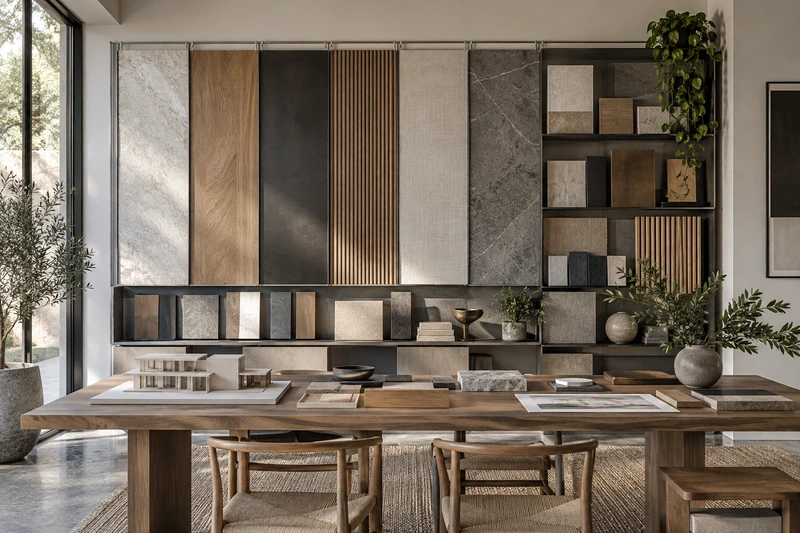
A tile, paint color or metal finish can feel different beside the other materials in the room. Arrange the relevant samples together when possible, including anything that will remain from the existing home. Consider the relationships among warm and cool tones, smooth and textured surfaces, and quiet and expressive patterns.
Allow a few elements to carry the visual interest while others provide a calmer setting. Not every choice needs to be a focal point. Discuss the whole palette with the team and note where you are seeking contrast, continuity or a softer transition between neighboring rooms.
Give changes a clear place in the conversation
Preferences can evolve as you see more of the project. If you want to revisit a selection, explain what has changed and ask which other decisions may be affected. An adjustment that seems small in isolation can relate to several items already being discussed.
Keep those conversations in the same record rather than allowing old and new choices to circulate without context. Ask how decisions should be confirmed and communicated within your project. Clarity supports a more thoughtful process, leaving attention available for the personal details that give the finished rooms their character.
FOR YOUR OWN PROJECT
Make the idea your own.
- Identify the materials that establish the main direction.
- Record location, preference and open questions clearly.
- Review related samples as a group.
- Ask how revised choices should be confirmed.