PLANNING / THE BLACKLINE JOURNAL
Deciding what to keep, what to change and what makes it yours
A meaningful renovation begins with an honest reading of the home: the features that carry its character and the spaces that no longer serve you.
Begin with the things you would miss
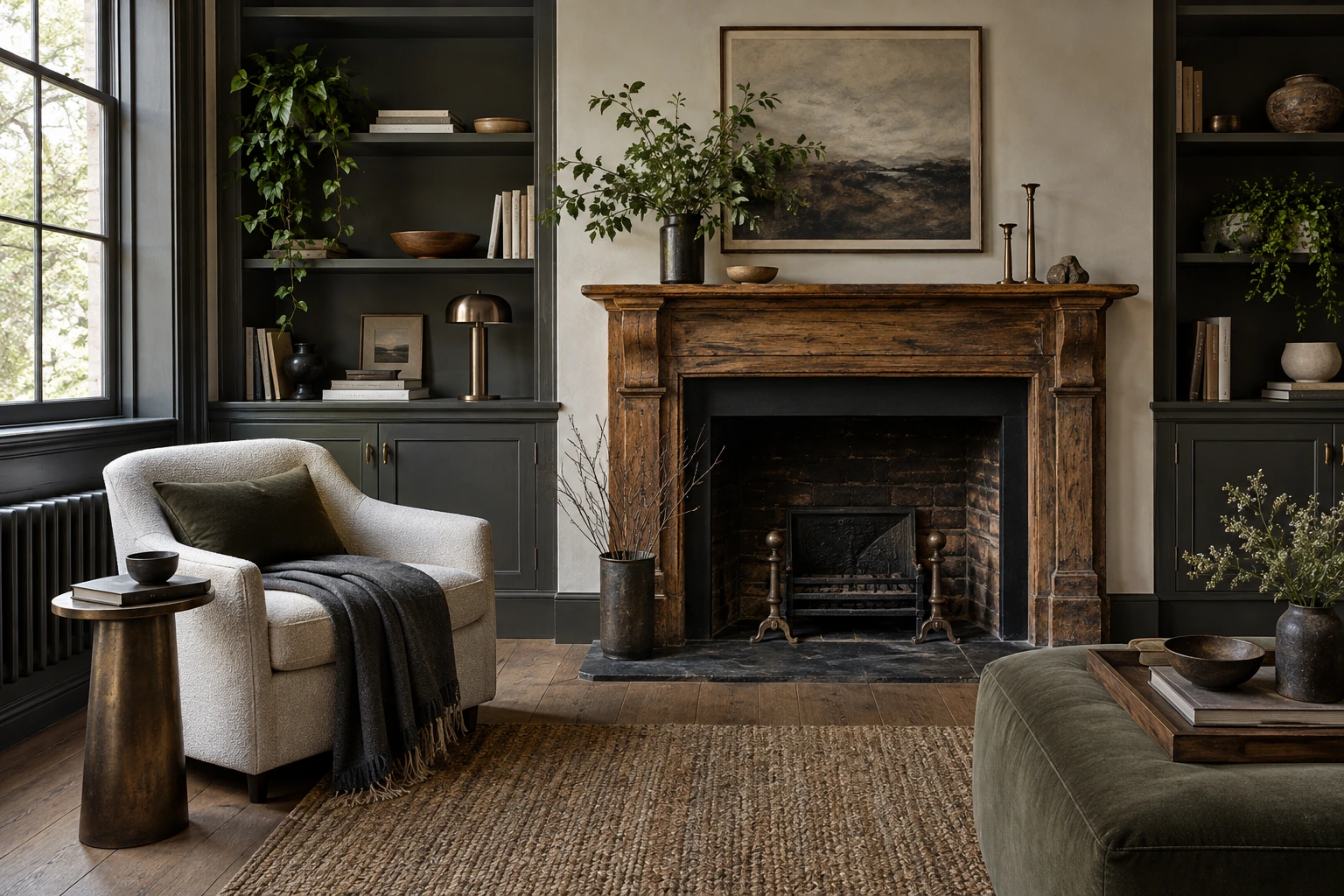
When a house feels ready for change, its frustrations can dominate the conversation. Take a separate walk through it to notice what you would miss if it disappeared. A view from a favorite chair, a familiar stair or the proportions of a room may hold more value than an obvious decorative feature.
Write down why each element matters. Some details carry personal memories, while others give the house its architectural character or make daily routines comfortable. Understanding the reason helps the project team explore how that quality might be preserved, even if the surrounding space changes considerably.
Describe the friction without prescribing the answer
A crowded kitchen may lead you to ask for a wall to be removed, but the underlying problem could be a difficult route, limited storage or an awkward relationship with the dining area. Describe the experience before settling on a particular solution.
Use ordinary examples: two people preparing breakfast, guests arriving at the same time or laundry crossing a main living space. These stories make the brief specific while leaving room to explore several responses. A clear account of the problem can be more useful than a fully imagined answer that has not yet been evaluated.
Make space for undecided items
Not every part of the home needs an immediate keep-or-change decision. Create a third group for features you want to understand better. A material may be appealing but difficult to integrate, or an existing room may have potential that is not obvious in its current arrangement.
This group is especially useful during early conversations. It allows you to ask questions without presenting uncertainty as a settled instruction. Keep aesthetic preferences distinct from questions about condition or suitability, and ask the project team which items need further assessment before their role in the project can be decided.
Review the balance of old and new
Look at the brief as a whole after identifying your priorities. Does it preserve the qualities that drew you to the home, or does every decision point toward a different character? There may be a good reason for a substantial change, but it should be a conscious choice.
Share the emotional as well as the practical priorities. A renovation can feel more personal when the important familiar elements are understood from the beginning. The aim is a home that supports the way you want to live next while retaining the details, views and associations you still want to call your own.
FOR YOUR OWN PROJECT
Make the idea your own.
- List the features you would miss and why.
- Describe daily frustrations with concrete examples.
- Keep an open group for undecided elements.
- Review how the proposed direction preserves character.