PLANNING / THE BLACKLINE JOURNAL
An inspiration library that helps turn taste into direction
The most useful collection of images explains what you love, why it matters and how those ideas might belong in your own home.
Save the reason, not just the image
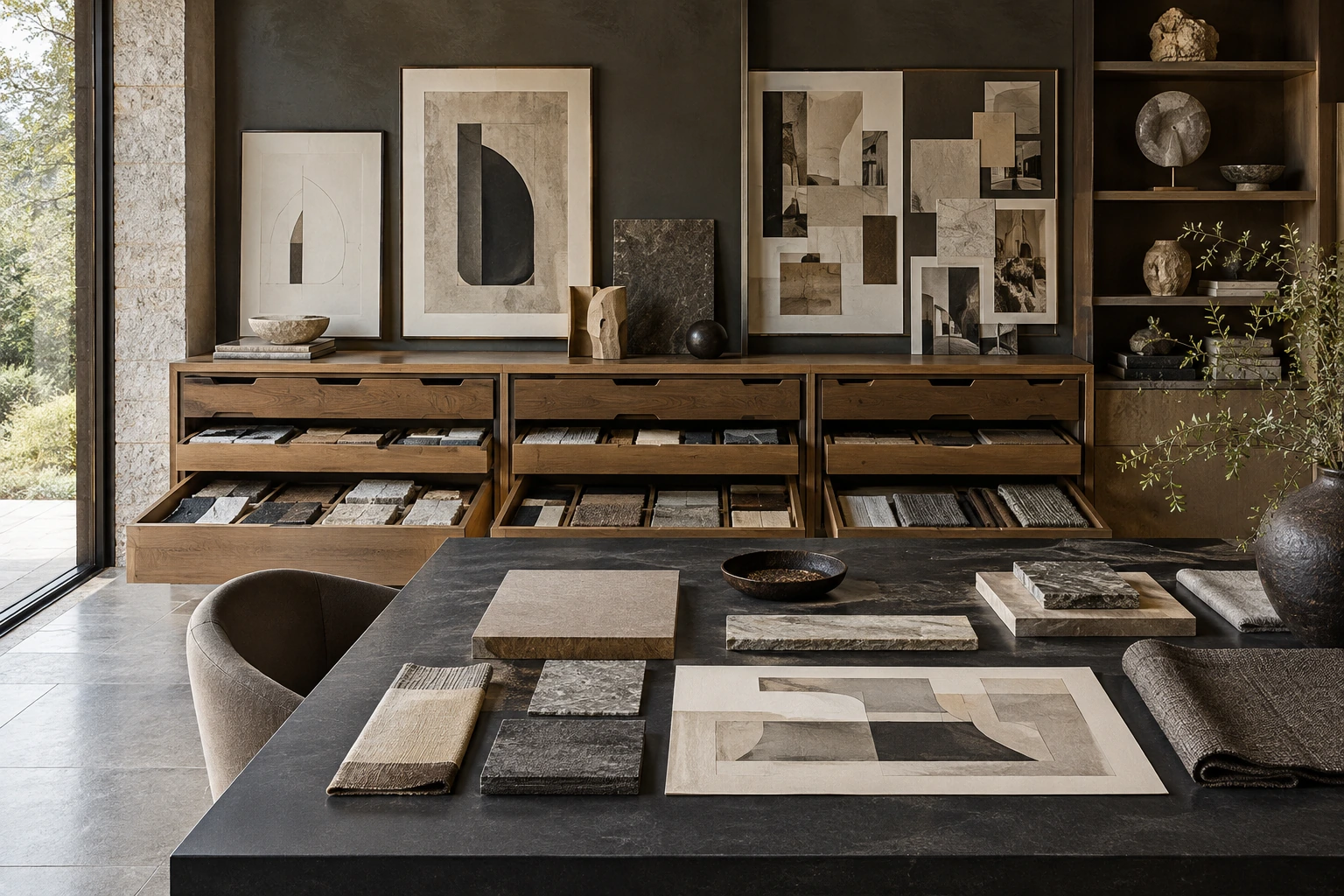
A photograph can appeal for several reasons at once: the light, the proportions, a favorite color or a feeling of calm. When saving an image, add a short note about the detail that caught your attention. This prevents an attractive room from becoming an instruction to reproduce everything in it.
Include what you do not want as well. You might admire a kitchen’s material palette but prefer a more private arrangement, or enjoy a dramatic exterior while wanting a quieter entrance. These distinctions make the collection a starting point for an original conversation about your home and the way you live.
Organize around decisions
Folders named only by room can become difficult to interpret when each contains many unrelated ideas. Try grouping some references by the decision they help explain: warm materials, connected gathering spaces, a welcoming arrival or discreet storage. This brings recurring preferences into view across different rooms.
Keep practical references beside the atmospheric ones. A photograph showing a useful storage arrangement can be as valuable as a polished interior. Add images of your current home and belongings you intend to keep, so the collection reflects the project’s real context rather than an imagined house with no connection to yours.
Edit until the patterns become clear
An inspiration library becomes more useful when you review it. Look for ideas that appear repeatedly, then choose a smaller group that communicates the direction most clearly. If two images suggest very different experiences, note the tension instead of assuming the design should contain both.
You do not need to resolve every preference before meeting the project team. It is helpful to distinguish what feels essential from what simply caught your eye. A concise selection with honest notes gives the discussion room to develop and makes it easier to understand which ideas belong to the same visual story.
Keep the collection connected to the brief
Images describe appearance more readily than daily life. Pair your collection with a written account of the rooms you need, the routines you want to improve and the qualities you hope to preserve. Together, these references can explain both the atmosphere and the purpose of the project.
As the direction develops, keep a clear record of which references still apply. Older images may remain interesting without guiding the current choices. A living collection should support decisions and discussion, helping the team understand your taste while leaving space for a design that responds to your particular home and property.
FOR YOUR OWN PROJECT
Make the idea your own.
- Add a short reason to each saved image.
- Include existing rooms and pieces you will keep.
- Select the references that show recurring themes.
- Connect visual ideas to everyday priorities.