ADDITIONS / THE BLACKLINE JOURNAL
An addition that feels like it has always belonged
More space is only the beginning. A thoughtful addition gives the whole home a stronger sense of balance, purpose and ease.
Begin with what the house already says
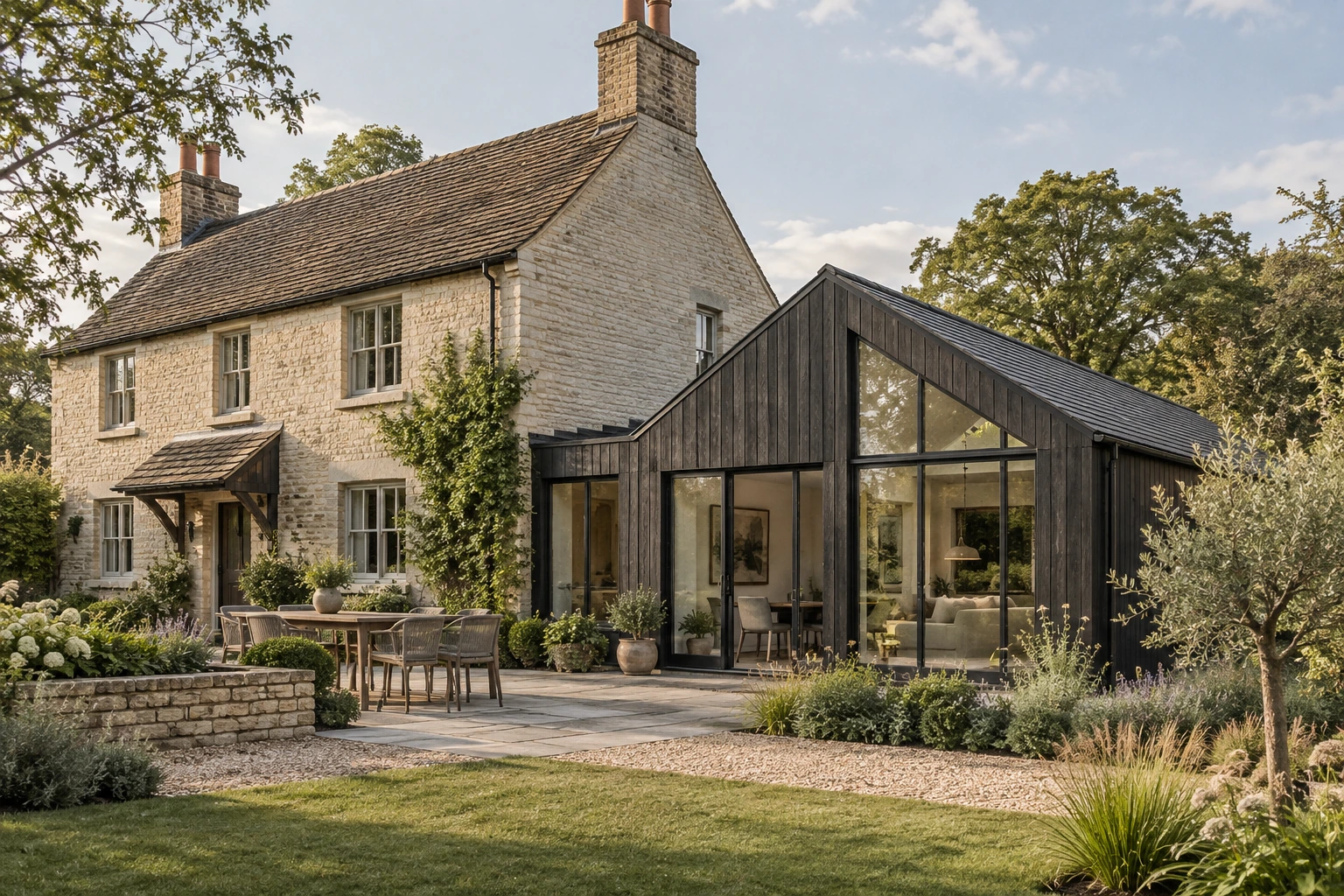
A house has a character before a new room arrives. It may come from a generous porch, a quiet roofline or the repeated proportions of its windows. Notice which qualities make your home feel familiar, and which you would like a new addition to carry forward.
This does not mean repeating every detail. A considered addition can interpret the original language with simpler trim or a more open interior. The useful question is whether the new space feels connected to the whole, both from the street and from the rooms you use each day.
Give the added space a precise purpose
An extra room becomes valuable when it solves something specific. Perhaps the kitchen needs a place for gathering, a bedroom needs greater privacy, or daily arrivals need somewhere to land. Describe the activity before choosing the shape of the addition.
Then consider what happens to the adjoining rooms. A former dining room might become a library, or a crowded family room might regain a quieter role. The addition should make the existing home easier to live in, rather than leave behind a collection of spaces without a clear use.
Make the connection feel natural
The point where old and new meet deserves as much attention as the new room itself. Consider what you see as you approach, how you turn into the space and whether the transition feels inviting. Furniture, doorways and everyday routes all influence that experience.
A shared material or repeated color can help establish continuity, but circulation does the deeper work. Imagine carrying groceries, hosting friends and moving through the house in the evening. These familiar routines reveal whether the connection feels generous or simply creates another corridor.
Review the home as one composition
Look beyond the new exterior wall when reviewing ideas. The garden, driveway, entry and neighboring windows are part of the same view. A beautiful addition can still feel disconnected if the outdoor spaces around it are left unresolved.
Gather photographs of the existing house from several ordinary viewpoints, then discuss the proposed changes against them. Keep notes about the qualities you want to preserve. A clear conversation about proportion, materials and daily life gives the project a more personal direction than a folder of unrelated room images.
FOR YOUR OWN PROJECT
Make the idea your own.
- Name the everyday problem the addition should solve.
- Identify the existing details you want to preserve.
- Trace the routes between old and new rooms.
- Review the house and garden together.